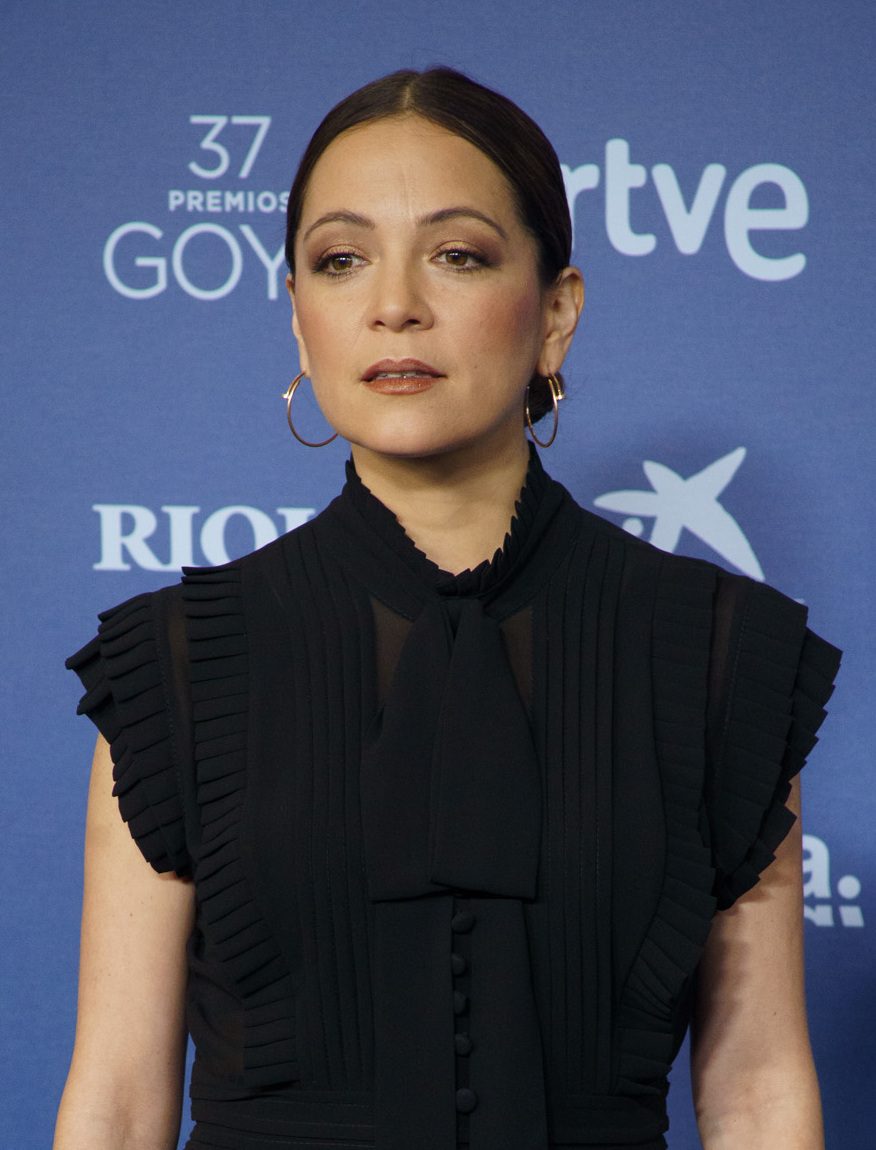
Cancionera belongs to 2025, but it remains a useful entry point into Natalia Lafourcade's present. In October 2026, her tour promotion listed two performances at Mexico City's Teatro Metropólitan. With those dates now in the past, we prefer to return to the album and its credits rather than recycle a ticket announcement as though it had just appeared.
At Brecilia, we have reviewed the official catalog, the album's technical credits and the tour information. This is a documentary guide to the project: what distinguishes its process, who appears in the credits and what questions might enrich a listening experience. It is not a review based on a listening session we pretend to have conducted, nor a report on the October concerts.
First, put the dates in order
Natalia Lafourcade's official music page identifies Cancionera as a 2025 album. It describes a recording made in complete takes, live and on analog tape, with production shared by Natalia and Adan Jodorowsky. It also distinguishes original compositions from reinterpretations of traditional repertoire.
Meanwhile, the Ticketmaster announcement dated May 13, 2026 promoted performances for October 11 and 12, 2026, at the Teatro Metropólitan. When we publish this guide on October 30, those dates have already passed. The announcement helps place the project's journey in context; it is not a current invitation to buy tickets for those nights.
Separating the album's year, the date of a statement and the day of a performance avoids a common confusion. An album can accompany several concert stages; a recent post about that tour does not automatically make the recording a release from the same year. The interest here is understanding the work, not assigning it artificial novelty.
What looking at the recording process means
The information about tape and complete takes offers listeners a specific question: how do the musicians relate during a shared performance? We can pay attention to entrances, silences and how one instrument responds to another. This is a listening suggestion, not a claim about sonic details we have personally verified.
Nor should “analog” become an automatic synonym for quality. A recording technique describes choices and working conditions; evaluating the result requires listening. For someone encountering Natalia for the first time, that detail can invite attention to the ensemble rather than a search only for the chorus they already recognize.
There is another useful distinction between reading credits and hearing a work. Credits identify responsibilities, but they do not tell us in advance which part will move us. We can use them as a map without letting them replace the experience. A song may interest us because of a detail that occupies barely one line in the documentation, or a relationship between elements that a technical list does not explain.
The credits open several routes
The official Cancionera credits make that map more specific. Jack Lahana is credited for recording and mixing, and Bernie Grundman for mastering. Musical direction and production belong to Natalia and Adan Jodorowsky. These are different roles: knowing the names helps acknowledge the collective work behind an album, even when only one artist appears on its cover.
We also find El David Aguilar on vocals in “Como Quisiera Quererte” and “El Coconito,” and Hermanos Gutiérrez among those responsible for the arrangements of “Luna Creciente.” For a first route, we suggest selecting one of those collaborations and then a song written by Natalia. The comparison can focus on the relationship between voice, accompaniment and narrative without turning guest appearances into a hierarchy of importance.
Another entry point is “La Bruja (Versión Cancionera).” The credits identify the underlying composition as public domain and credit new verses to Natalia and Citlali Aguilera. That does not mean the complete recording is free to use. For a reader interested in music, the important point is how a version can combine inherited material with contemporary intervention, with authorships that deserve accurate naming.
Traditional repertoire need not remain still
That coexistence opens a broader question. When a song is performed again, what do we expect to preserve, and what are we willing to hear differently? Familiarity can help us enter a version, but it can also lead us to demand an exact repeat of the one we first encountered.
We suggest separating recognition from comparison. On a first listen, we can follow the narrative without searching for differences at every moment. On another, we can attend to the arrangement or the delivery of a phrase. No music theory is needed to describe a pause, a change in intensity or a contribution that catches our attention. It does help to avoid presenting a personal impression as the artists' verified intention.
The same approach applies to collaborations: sharing a song does not erase the participants' identities. Rather than asking who stands out more, it can be more fruitful to ask what space each voice leaves for the other. The answer belongs to listening, and it can change when we return to the track.
Where it fits in Natalia's journey
The biography published on her official website identifies other projects that help with orientation: Mujer Divina, dedicated to Agustín Lara; the two volumes of Musas with Los Macorinos; Hasta la Raíz, released in 2015; and Live at Carnegie Hall, issued in December 2024. These are neither interchangeable stages nor prerequisites to complete before approaching Cancionera.
For someone who mainly knows one popular song, that catalog offers a route shaped by curiosity. They might begin with a tribute to another composer, a collection connecting original songs with Latin American repertoire or a stage recording. Returning to Cancionera afterward may offer a different perspective, without making every album an obligatory response to the previous one.
A simple way to begin
We can organize the approach in three steps: read one song's credits, listen without reading and then write down a specific question. What holds our attention? What changes when another voice enters? Does the title take on another meaning by the end? That small exercise is more useful than accumulating labels about an album before giving it time.
Cancionera offers material for that journey because its documentation makes composers, performers and production choices visible. The guide ends where each reader's listening begins. We do not need to present the album as newly released or pretend we were at the Metropólitan to find a current reason to approach it: understanding better how a song is built and who makes it possible.


