What the Fête de la Musique Is
The Fête de la Musique is a French celebration held every 21 June, the date of the summer solstice. It was born in Paris in 1982 and is now replicated in dozens of countries. On this day, amateur and professional musicians play for free in streets, squares and parks. The idea is simple and generous: bring music to everyone, without barriers. In Paris, the event is not confined to a single stage or a single style. It spills into public space and invites passers-by to stop, listen and take part in a shared moment. The celebration is part of the city’s rhythm, a day when music becomes something you encounter rather than something you book. For listeners who want to explore more music beyond the day itself, Brecilia Music offers a natural place to continue listening.
The Paris Origin
The Fête de la Musique began in Paris in 1982, and its Parisian origin remains central to how the event is imagined. It started as a way to open music to the public and to make the streets part of the concert. That spirit still shapes the day: the city itself becomes a venue, and the distinction between performer and audience becomes less rigid. Because the event was born in Paris, the French capital is a particularly evocative place to experience it. The model has since traveled, and today the Fête de la Musique is replicated in dozens of countries, but the Parisian version keeps the original promise visible. It is a celebration of access, curiosity and the pleasure of hearing music in the open air. The story is short—1982, Paris, a festival that spread—but its influence is wide, and it explains why every 21 June the city feels especially musical.
How 21 June Is Lived
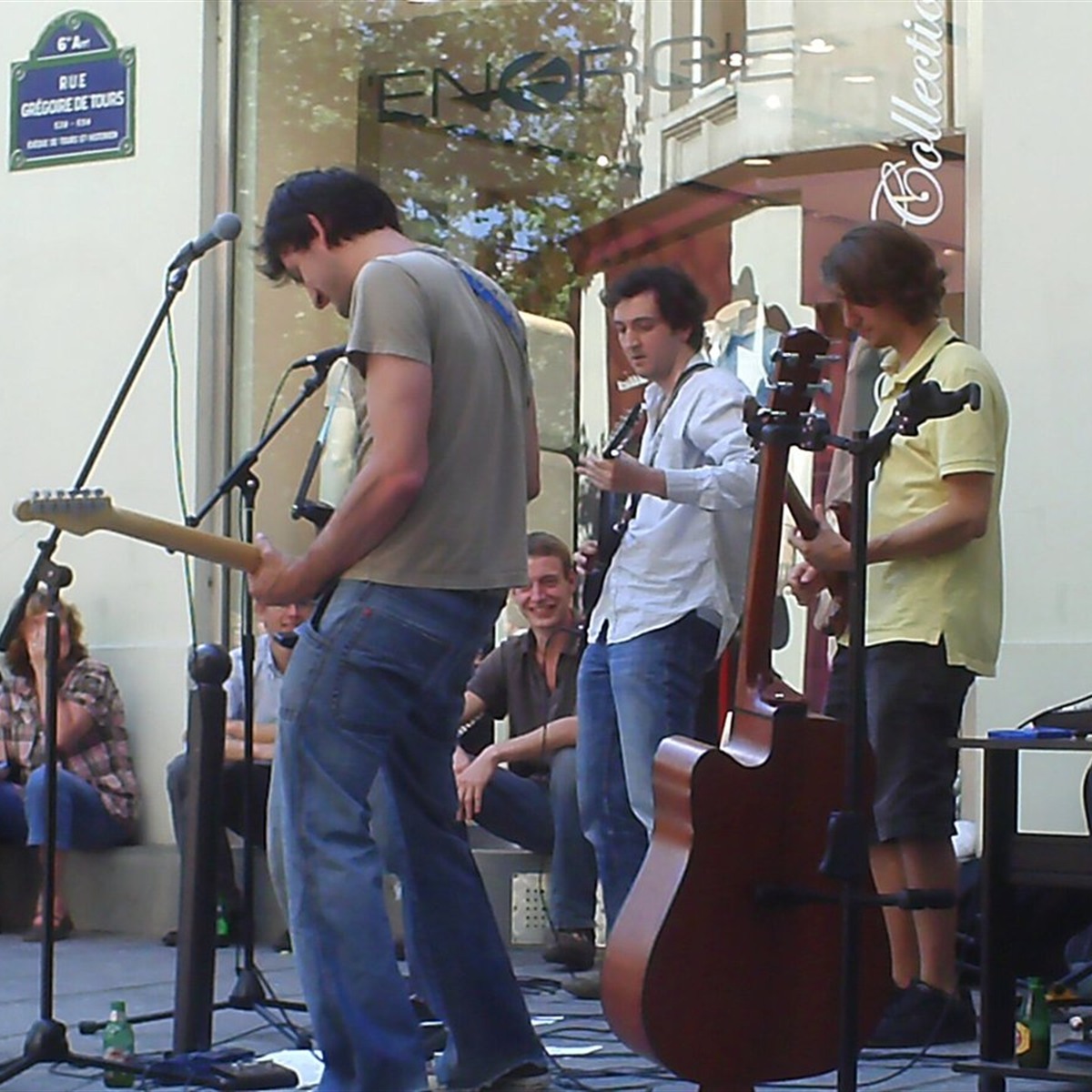
On 21 June, Paris lives the Fête de la Musique as an open-air event. Amateur and professional musicians play for free in streets, squares and parks, so the day is built around movement and discovery. You do not need a ticket to encounter music; you need only to walk through the city and pay attention. The atmosphere is informal and inclusive, with performances appearing in public spaces and audiences forming around them. The summer solstice adds a symbolic frame: the longest day of the year becomes a day of music. Because the event aims to bring music to everyone without barriers, the experience is less about exclusivity and more about shared access. This is also why the day suits different listeners: those who want to wander, those who want to linger, and those who want to follow a sound from one square to another. For a broader listening context, Brecilia Radio can accompany the mood of the day.
Historic Halls and the Parisian Scene
Beyond the open-air celebration, Paris offers historic halls, opera, jazz and an active electronic scene. These elements are part of the city’s musical identity and give the Fête de la Musique a rich backdrop. The day is free and public, but Paris itself is a city with deep musical institutions and a varied scene. Visitors can move between informal street energy and structured historic venues. That contrast is part of the pleasure: the Fête de la Musique does not replace the city’s musical life; it adds a public, collective layer to it. The event’s aim—to bring music to everyone without barriers—resonates differently when set against Paris’s established halls. The result is a city that feels both monumental and immediate, where music can be encountered in grand settings or simply on a corner. For those mapping their listening around the city, Brecilia blog offers further context.
Jazz, Opera and Electronic Music
Paris’s musical landscape includes jazz, opera and an active electronic scene, and the Fête de la Musique sits alongside these worlds rather than replacing them. The festival’s free public performances make room for amateur and professional musicians, while the city’s historic halls and opera houses represent a longer institutional tradition. Jazz adds another layer, and the electronic scene gives Paris a contemporary pulse. On 21 June, the open-air celebration can bring these strands into conversation for listeners who move through the city with curiosity. The point is not to rank styles but to recognize that Paris is a place where music happens in many forms. The Fête de la Musique reinforces that plurality by taking music into streets, squares and parks, where anyone can stop and listen. It is a day that celebrates access and proximity, and it reminds us that a city’s musical life is not only inside venues. It is also outside, in the shared space of the street.
How to Live It and What to Listen For
To live the Fête de la Musique in Paris, keep the day open. The event is celebrated every 21 June, and its free public performances in streets, squares and parks reward walking and listening rather than strict scheduling. Start with the idea that amateur and professional musicians are playing for free, and let the city guide you. The summer solstice gives the day a natural rhythm, and the festival’s aim—music for everyone without barriers—makes it feel welcoming. Listen for contrasts: a street performance, a square gathering, a park, and then the city’s broader scene of historic halls, opera, jazz and electronic music. The day is not about a single genre or a single venue; it is about the presence of music in public life. That is why the Fête de la Musique remains so closely tied to Paris: it turns the city into a listening space. Take time to pause, follow a sound, and enjoy music offered freely in the open air.
When is the Fête de la Musique celebrated in Paris and how did it start?
The Fête de la Musique takes place every year on June 21 during the summer solstice and was launched in Paris in 1982 by the French Ministry of Culture so amateur and professional musicians could perform free in public spaces. Now celebrated in over a hundred countries, Paris remains its flagship open-air stage across every musical genre.
What are the best neighborhoods in Paris to experience Fête de la Musique?
Top areas to explore on June 21 include the Latin Quarter, Le Marais, Canal Saint-Martin, Montmartre, Belleville, the Palais-Royal gardens, and the Seine riverbanks, featuring everything from jazz and classical ensembles to outdoor electronic sets. For another iconic French music festival, read our guide to Lyon and the Fête des Lumières in December.