Rio and Samba
Rio de Janeiro is the world capital of samba. The claim is direct, and it helps explain why the city is so often heard through its rhythms: samba is a gateway to Rio, a way of organizing the city's social life and celebrations. For a visitor, the first useful step is to understand that samba in Rio is not a single, fixed sound. It appears in the carnival of the samba schools, in the daily life of neighborhoods, and in the wider musical culture that the city has produced. The facts are clear: Rio is the world capital of samba, and its carnival is one of the largest in the world. From there, the city opens into multiple samba worlds, each with its own scale and setting. This guide follows those worlds without losing the central point: in Rio, samba is both a musical tradition and a way of living the city.
Carnival and the Samba Schools
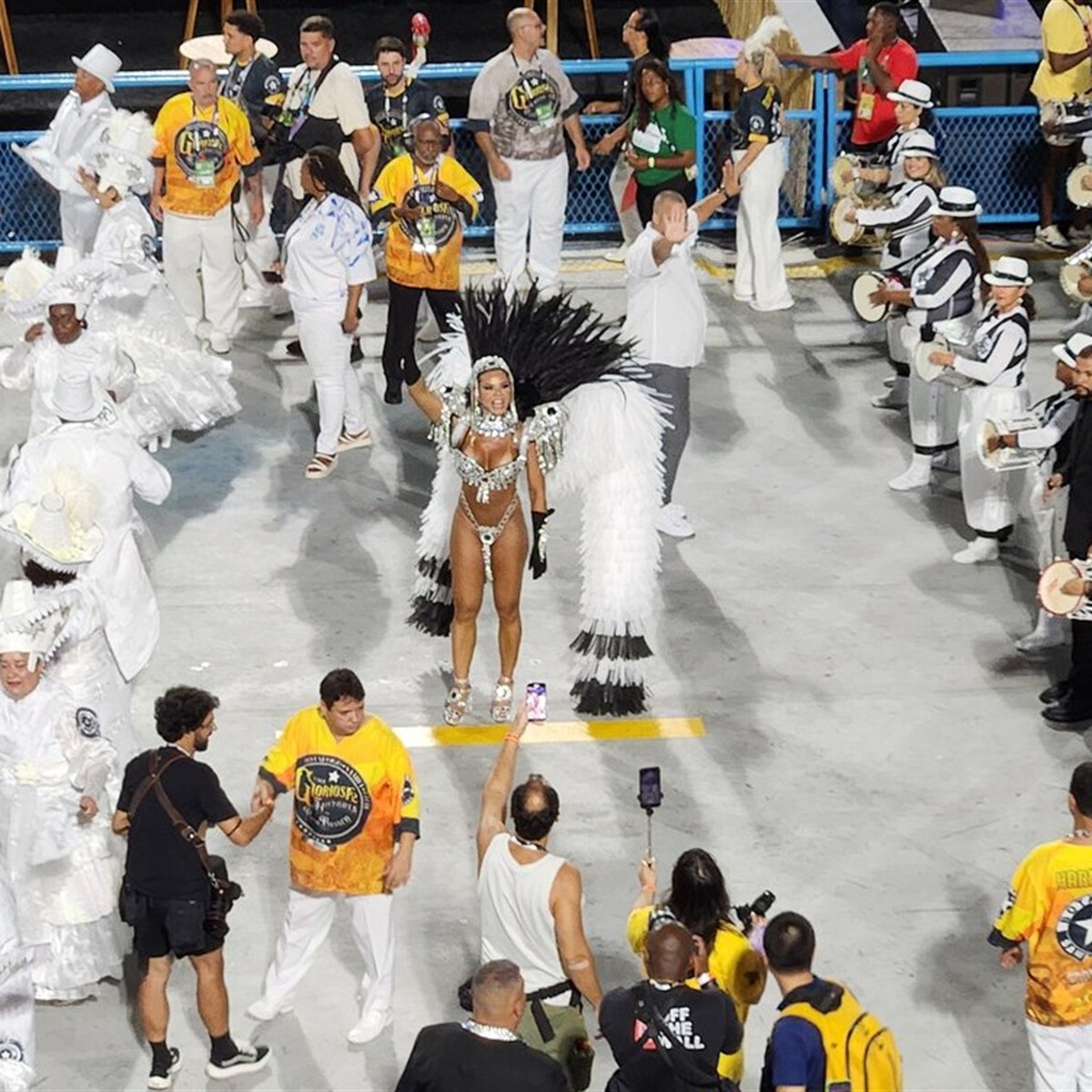
Carnival in Rio de Janeiro is one of the largest in the world, and the samba schools are its central organized force. Each escola de samba prepares an enredo, and that preparation brings together the elements that define the parade: the batería, the passistas, and the carros alegóricos. The vocabulary matters because it describes a collective effort. The escola is not simply a band on a stage; it is a structured group preparing a presentation in which rhythm, movement, and large visual elements meet. The enredo gives the school a narrative frame, while the batería drives the sound, the passistas carry the dance, and the carros alegóricos fill the parade route with scale. For readers who want to follow the music beyond carnival, Brecilia's blog is a useful companion. The key fact remains: in Rio, the escolas de samba desfilam no Sambódromo Marquês de Sapucaí, the parade space designed by Oscar Niemeyer.
The Sambódromo and the Party
The Sambódromo Marquês de Sapucaí is the architectural frame for Rio's main samba-school parades. Designed by Oscar Niemeyer, it is the place where the escolas de samba desfilam, and its name belongs in any accurate account of the city's carnival. The Sambódromo is not just a venue; it is the point where the school's preparation becomes public. The enredo, batería, passistas, and carros alegóricos all converge there. The party is large, but it is also organized: each escola brings its own structure to the route. That combination—collective preparation and a dedicated parade space—is part of why Rio's carnival is one of the largest in the world. For listeners, the Sambódromo is a reminder that carnival sound is inseparable from carnival movement. The party is not only heard; it is seen in the scale of the cars and the movement of the passistas.
Roda de Samba in the City
Beyond the Sambódromo, samba lives in the roda de samba and the samba de roda. These are part of daily life in neighborhoods such as Lapa and Mangueira. The phrase roda points to a circle, and that image is useful: samba here is social, shared, and close to the ground. In Lapa and Mangueira, the roda de samba and samba de roda belong to the everyday life of the city rather than to a single carnival season. For a visitor, this is the side of Rio that can make samba feel less like a spectacle and more like a local practice. The facts are specific: the samba de roda and the roda de samba are part of daily life in Lapa and Mangueira. That does not mean every roda is the same; it means the forms are present in the city's routine. They connect the neighborhoods to the broader samba culture that also appears, at larger scale, in the carnival parades.
Bossa Nova and Other Carioca Music
Rio de Janeiro also saw the birth of bossa nova, with composers such as Tom Jobim and Vinícius de Moraes. That fact broadens the musical picture: the city is not only the capital of samba; it is also a place where another defining Brazilian sound emerged. Bossa nova and samba are distinct, and the article does not need to merge them. The point is that Rio's musical identity is layered. A listener can move from the batería and the enredo of a samba school to the bossa nova associated with Tom Jobim and Vinícius de Moraes without leaving the city's musical history. For a broader listening context, Brecilia Music offers a natural next step. The essential facts are the birth of bossa nova in the city and the presence of those composers. Other carioca music belongs to the same urban culture, but the given facts keep the focus on samba and bossa nova.
How to Experience It and What to Listen To
To experience Rio's samba and carnival, start with the two facts that organize everything else: the city is the world capital of samba, and its carnival is one of the largest in the world. From there, follow the escolas de samba to the Sambódromo Marquês de Sapucaí, designed by Oscar Niemeyer. Listen for the batería, watch the passistas, and notice the carros alegóricos; together with the enredo, they are the elements named in the preparation of each escola. Then move to the neighborhoods: in Lapa and Mangueira, the samba de roda and the roda de samba are part of daily life. For bossa nova, listen for the names Tom Jobim and Vinícius de Moraes. To keep listening, Brecilia Radio is a practical place to continue. The best approach is simple: treat carnival as a large public form and the roda as a daily one, then connect both to the city's bossa nova history.
How did Samba originate in Rio de Janeiro and what instruments make up a samba bateria?
Urban Carioca samba emerged in the early 20th century within the Afro-Brazilian neighborhoods of Little Africa —around Praça Onze, Saúde, Gamboa, and Pedra do Sal— through gatherings hosted by Tia Ciata and pioneers such as Donga, Pixinguinha, Ismael Silva, Cartola, and Noel Rosa, earning UNESCO Intangible Cultural Heritage status in 2005. Its rhythmic engine pairs deep surdo bass drums with caixa snares, repique, tamborim, cuíca, agogô, and pandeiro alongside the harmonic drive of the four-string cavaquinho and seven-string guitar.
Where can you hear authentic live Samba in Rio de Janeiro and how do the Sambadrome parades work?
Year-round, visitors can experience traditional open-air rodas de samba at historic Pedra do Sal, inside the live music venues of Lapa, at Cacique de Ramos, or during quadra rehearsals at legendary samba schools like Mangueira, Portela, Salgueiro, and Beija-Flor. During Carnival, Special Group schools parade down the 700-meter Marquês de Sapucaí Sambadrome (designed by Oscar Niemeyer in 1984), competing across categories including bateria, samba-enredo, comissão de frente, and mestre-sala and porta-bandeira; to explore another landmark Brazilian music movement, read our guide to Belo Horizonte and the Clube da Esquina movement.