The City’s Cultural Venues
Aguascalientes has a cultural circuit shaped by large stages, historic venues, plazas and independent forums. The city’s main reference points include the Teatro Aguascalientes, a modern, large-format venue, and the Teatro Morelos, which carries historic tradition in the center. Together they represent two ways of experiencing the city’s performing arts: the contemporary scale of a modern hall and the centrality of a historic theater. Around them, plazas and independent forums add smaller-scale options and keep cultural life active beyond the main stages. Programming in these spaces includes music, dance, theater and festivals, so the calendar is not limited to one genre or one audience. For anyone following the city’s musical life, the venues are starting points rather than the whole picture; the surrounding cultural activity is part of what makes Aguascalientes a place to explore. Brecilia Music can help listeners connect with the broader musical context.
The Aguascalientes Theater
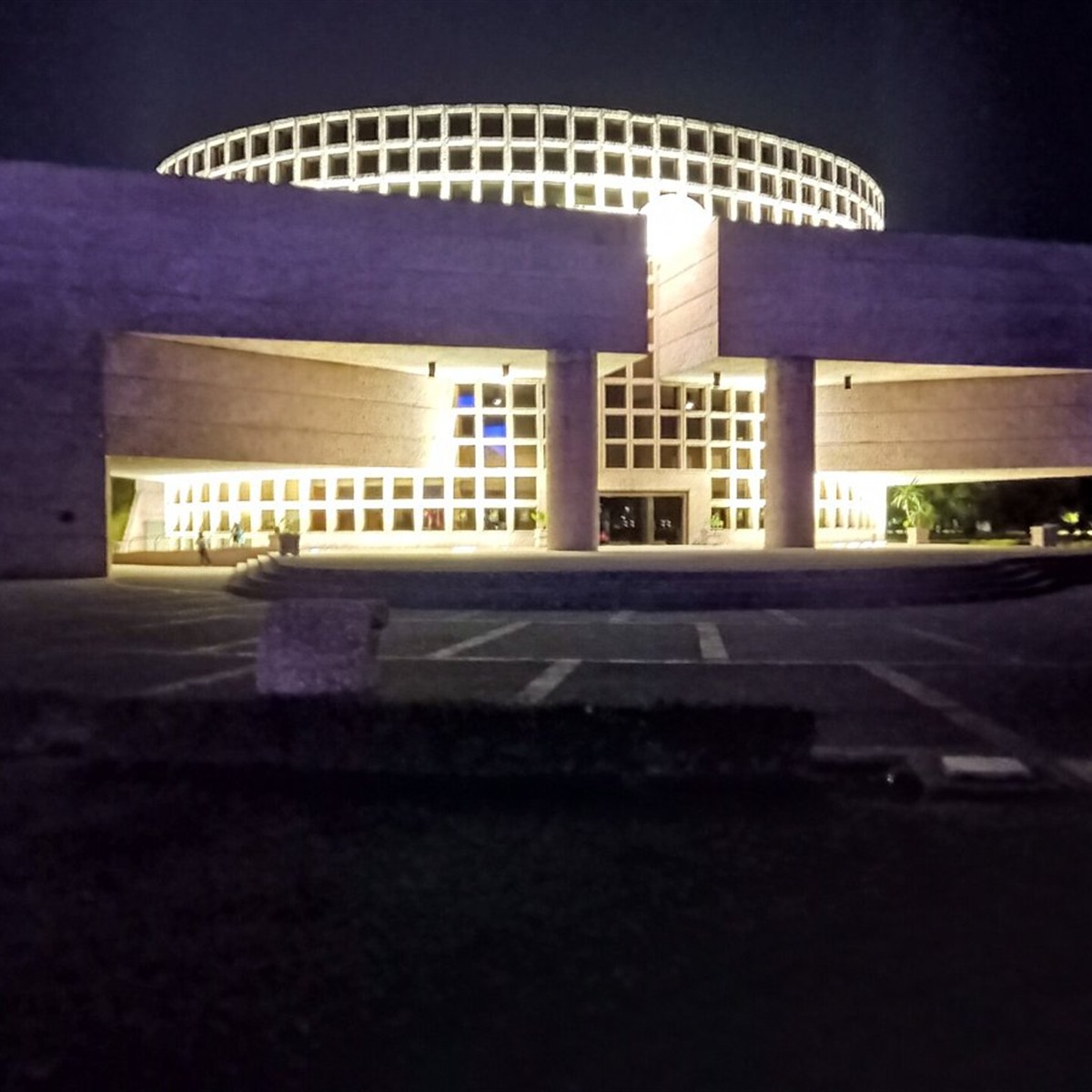
The Teatro Aguascalientes is described as a modern, large-format venue. That profile makes it a natural home for productions that need scale, visibility and a formal stage, and it appears in the city’s cultural programming alongside music, dance, theater and festivals. For musical life, the theater functions as a concert venue and as a setting for festival activity. Its modern character does not mean it is disconnected from local culture; rather, it gives Aguascalientes a large-format stage within a circuit that also includes historic and independent spaces. Visitors who want to understand the city’s performing arts can look at the Teatro Aguascalientes as the contemporary anchor of that circuit. The venue’s role is especially relevant when programming brings together different disciplines and audiences, which is consistent with the city’s mix of classical, popular and independent proposals.
The Morelos Theater and the Historic Center
The Teatro Morelos represents the historic side of the city’s theater life. Located in the center, it is associated with tradition and with the cultural activity that gathers around the historic heart of Aguascalientes. A central venue changes how people experience a performance: the theater is part of the urban fabric, close to plazas and the movement of the city, rather than a destination separated from everyday life. That centrality supports the idea that cultural life in Aguascalientes is active around its plazas as well as inside formal auditoriums. The Teatro Morelos also fits into the broader programming of music, dance, theater and festivals, and it helps connect the city’s historic identity with its current cultural calendar. For a visitor or resident mapping the city’s stages, the Morelos is a key reference in the center.
Music Programming and Festivals
Music programming in Aguascalientes is not confined to one type of venue or one season. The city’s cultural spaces host concerts and activities linked to the Festival Cultural de Calaveras and the fair, alongside regular programming that includes music, dance, theater and festivals. This means the musical offer can move between formal concerts, festival events and independent proposals. The local scene is described as a mix of classical, popular and independent music, which gives audiences a range of entry points. Rather than treating the theaters as isolated buildings, it helps to see them as part of a calendar that connects venues, festivals and public spaces. The result is a cultural life that can be followed across the city, with the main theaters providing anchor points and the festival moments adding intensity and variety.
Independent Venues and the Local Scene
Beyond the two principal theaters, Aguascalientes has an active cultural life around its plazas and independent forums. These smaller or less formal spaces matter because they allow the local scene to present music in ways that differ from large-format programming. Independent forums are part of the same ecosystem as the Teatro Aguascalientes and the Teatro Morelos: they expand the range of what is available and help the city’s mix of classical, popular and independent proposals reach different audiences. For listeners, this is where the city’s musical life can feel most immediate and varied. The independent scene is not separate from the institutional venues; it is another layer of the same cultural circuit. Following both is the best way to understand how Aguascalientes balances tradition, modern stages and local initiative.
How to Choose What to See
Choosing what to see in Aguascalientes depends on what kind of experience you want. The Teatro Aguascalientes is the reference for a modern, large-format setting, while the Teatro Morelos offers the historic tradition of the center. Festival programming, including activities tied to the Festival Cultural de Calaveras and the fair, can add music, dance, theater and other cultural events to the city’s calendar. Independent forums and plazas complete the picture and are essential for anyone interested in the local scene’s mix of classical, popular and independent music. A practical approach is to compare the venue’s character with the type of program you want: large-scale and modern, historic and central, or independent and close to the city’s everyday cultural life. Brecilia Blog and Brecilia Radio can support further exploration.
What are the main historic theaters and concert halls in Aguascalientes?
The city’s three flagship performing arts venues are the neoclassical Teatro Morelos (designed by architect José Noriega, inaugurated in 1885 next to Plaza de la Patria, and site of the 1914 Revolutionary Convention), the monumental Teatro Aguascalientes (designed by Abraham Zabludovsky and opened in 1991 with 1,650 seats), and Teatro Antonio Leal y Romero inside the historic Casa de la Cultura. Open-air stages such as Foro del Lago and Foro de las Estrellas expand the concert calendar during the San Marcos Fair.
Where can you hear the Aguascalientes Symphony Orchestra (OSA) and chamber music live?
The Aguascalientes Symphony Orchestra (OSA) performs its regular Friday evening symphony seasons at Teatro Aguascalientes, while Teatro Morelos and the Casa Terán cultural center host chamber music, classical guitar, opera, and jazz recitals year-round. To read about another major live music event in the state capital, explore our review of Ricardo Arjona in Aguascalientes 2026: concert chronicle.