Where it is and why it is unique
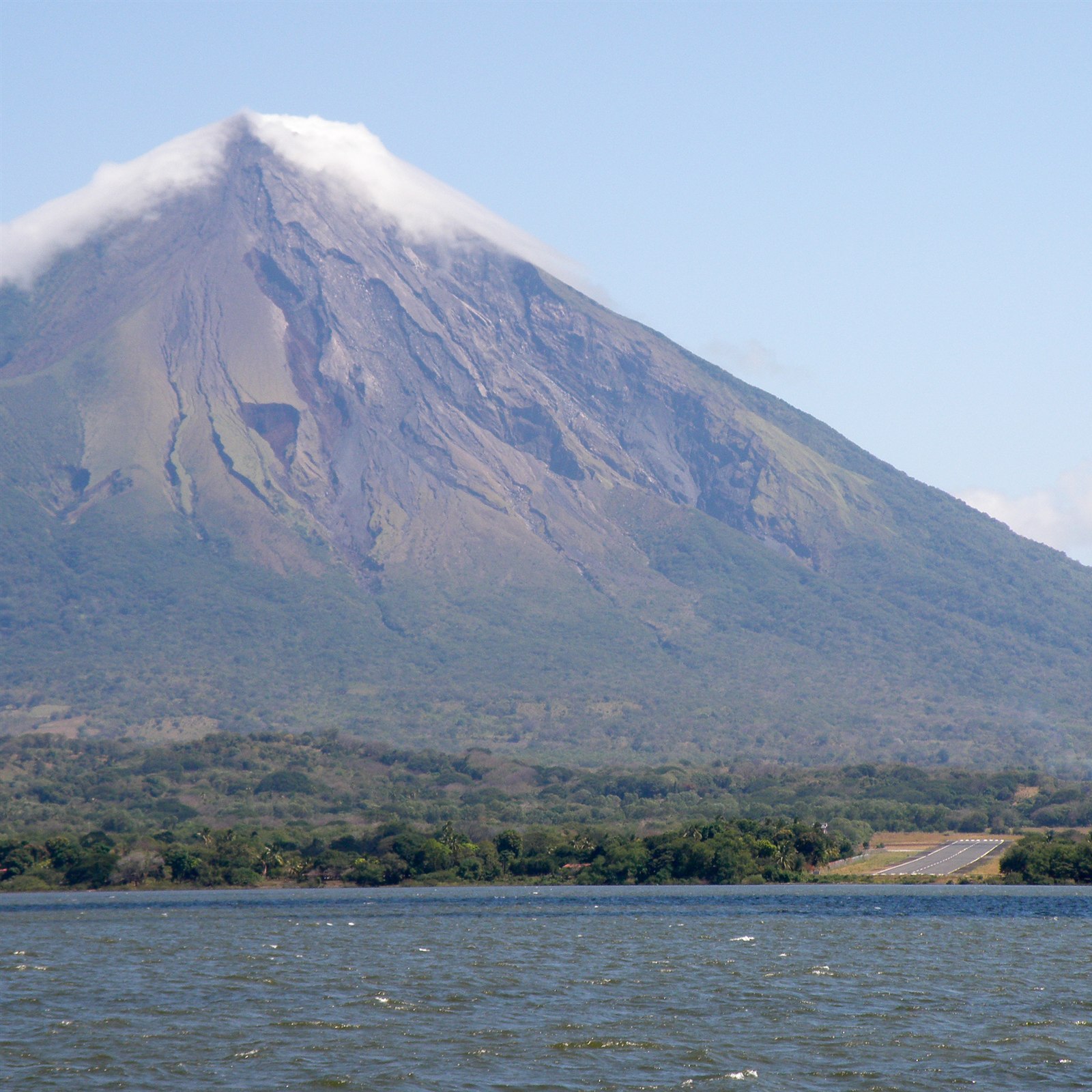
Ometepe is an island in Lake Cocibolca — the lake also known as Lake Nicaragua — and it is one of those places where geography itself does the storytelling. Two volcanoes rise directly from the water, and together they form the island. That double silhouette is the first thing that defines Ometepe, and it is also the reason the island has become a reference point for travellers drawn by landscape, archaeology and rural culture rather than by a conventional resort holiday.
In 2010, UNESCO declared Ometepe a Biosphere Reserve. The designation recognises an island where human activity and natural systems have long shared the same territory: farmland, fishing grounds, forest and water in close proximity. For a cultural magazine, that is the interesting part. Ometepe is not an empty postcard; it is a lived-in island, and its culture is inseparable from its two mountains.
The two volcanoes: Concepción and Maderas
The geography of the island rests on a single, clear contrast. The Concepción is an active volcano. The Maderas is covered in cloud forest. Two volcanoes, one island, two very different worlds — and that difference is what gives Ometepe its character.
The Concepción stands for the volcanic, the open, the force that built the land. The Maderas stands for the forest that took the land back: a cloud forest, green and damp, holding mist and moisture. Moving from one landscape to the other is one of the defining experiences of the island. It is also why Ometepe appears so often in conversations about Central American natural heritage, and why the island rewards slow travel rather than a checklist of sights.
The contrast does not stay in the landscape. It filters into the local imagination — into how islanders describe their home, and into the festivals and music that bring communities together.
Archaeology and petroglyphs
Ometepe contains archaeological sites with petroglyphs and ceramic pieces from pre-Hispanic cultures. These are not museum abstractions; they are part of the island's cultural landscape, and they give a historical depth to a place that visitors often first approach through its volcanoes.
For the traveller, the presence of these sites changes the tone of a visit. Ometepe becomes a place to look carefully — at carved stone, at pottery, at the ground itself — and to remember that the island has been read and inhabited for a very long time. It is worth approaching these sites with the patience and respect they deserve, and with attention to the guidance offered locally.
Rural life and local music
Everyday life on Ometepe combines agriculture, fishing and rural tourism. That combination matters: it means the island's economy is rooted in work on land and water, and that tourism sits alongside those activities rather than replacing them.
The cultural consequence is a calendar built around community. Ometepe is the setting for local festivals, and for music performed in small lodgings and communities. These are not large-scale events designed around a stage and a ticket gate; they are gatherings where the island's social life becomes audible. For listeners interested in how music lives in specific places, that is the real attraction — the chance to hear music where it is made and circulated, in the middle of a rural island.
If you want to prepare your ears before travelling, our radio stream at Radio Brecilia and the listening selections at Brecilia Música are good places to start.
How to get there and what to do
Ometepe is reached by ferry from San Jorge, in Rivas. That is the practical gateway, and it is worth organising the crossing as part of the trip rather than as an afterthought — the approach over the water is the moment when the island's two-volcano profile finally resolves.
On the island, the agenda writes itself around the facts: the volcanic landscape of the Concepción, the cloud forest of the Maderas, the archaeological sites with their petroglyphs and ceramics, and the rural life of the communities. Because local life combines agriculture, fishing and rural tourism, there are ways to travel here that put you closer to that daily rhythm — staying in small lodgings, eating what the island produces, and engaging with the communities that host visitors.
Our blog at Brecilia Blog collects further cultural reading for travellers who like context before departure.
When to go and what to listen to
Rather than prescribing a single ideal month, it makes more sense to plan around the island's cultural calendar. Ometepe is the setting for local festivals and for music in small lodgings and communities, so a visit timed to coincide with a celebration offers something a quiet week cannot: the island's social life in full voice. Ask locally, and let the festivals shape the itinerary.
And for the listening itself, keep the island's dual character in mind. There is the openness of the Concepción and the density of the Maderas forest, and there is music that belongs to both registers — celebration and reflection. Start with Radio Brecilia for a continuous stream, and explore the archive at Brecilia when you want to sit with a record rather than let it pass.
Ometepe is, finally, a reminder that a place can be defined by two things at once. Two volcanoes, one island. Forest and fire, fieldwork and festival. For anyone who travels to listen as much as to look, the island of two volcanoes is a singular destination in Lake Cocibolca — a UNESCO Biosphere Reserve since 2010, and a place whose culture is as layered as its ground.
What defines Isla de Ometepe in Nicaragua and what is its signature traditional music and dance?
Rising from Lake Cocibolca (Lake Nicaragua) as a UNESCO Biosphere Reserve, Isla de Ometepe is formed by the twin volcanoes Concepción (1,610 m) and Maderas (1,394 m) joined by a narrow volcanic isthmus. Its most iconic folkloric expression is the Baile de El Zompopo in Altagracia, performed every November for the feast of San Diego de Alcalá to bow-marimba tunes and chichero brass bands while dancers wave green branches.
What cultural landmarks, petroglyphs, and music festivals stand out on Isla de Ometepe?
Key cultural highlights include pre-Columbian basalt petroglyphs at El Ceibo Museum, Balgüe, and Finca Magdalena, alongside Ojo de Agua spring, Punta Jesús María, and lively patron-saint festivals in Moyogalpa (July) and Altagracia (November) featuring marimba and Nicaraguan guitar son nica. To explore Nicaragua’s Caribbean musical heritage on the Atlantic coast, read our guide to Bluefields, Palo de Mayo, and Caribbean music in Nicaragua.